Home › Concrete Demolition and Replacement
We handle commercial concrete demolition and replacement in Atlanta, GA for damaged slabs, sidewalks, loading docks, and parking areas. Our crews saw cut, break, and remove old pavement, then install new concrete with proper base and reinforcement. This tear out and replace approach restores safety and performance to your site.
Superior Concrete Atlanta provides professional commercial concrete demolition throughout Atlanta, GA, Georgia and the surrounding area. Our licensed, insured crew delivers safe, clean, on-time work with a free estimate before anything begins. Call (470) 748-3052 or request your free quote.
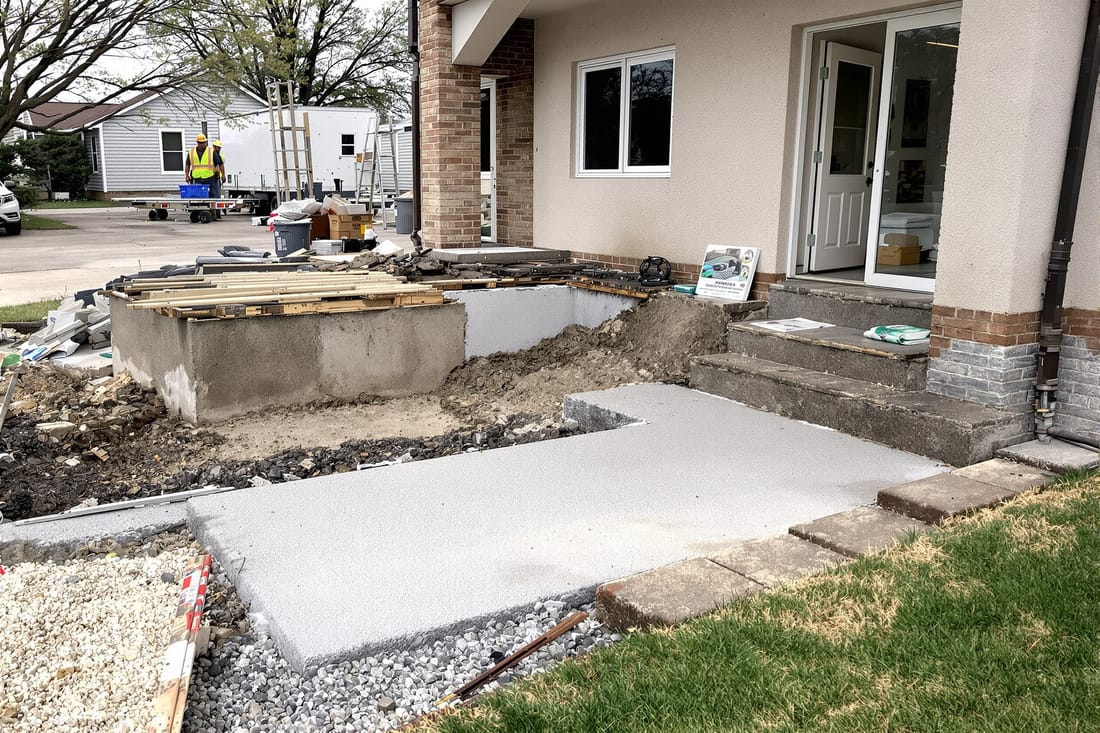
Safe, Precise Concrete Demolition for Atlanta Properties
Concrete demolition is more than just breaking up old slabs. Done right, it protects nearby structures, utilities, and people while setting up a clean base for new concrete. Superior Concrete Atlanta focuses on commercial concrete demolition across the Atlanta, GA area, including parking lots, loading docks, dumpster pads, walkways, and warehouse floors.
Our crews start with a site walk to identify utilities, trip hazards, access points for equipment, and any sensitive areas like storefronts, glass, or landscaping. We coordinate Georgia 811 utility locates where needed and review your site plan or as-built drawings if available. For many commercial sites in Atlanta, access is tight, so we plan the sequence of demolition and hauling so your drive lanes, fire lanes, and emergency exits remain open when possible.
Depending on slab thickness and location, we use a mix of skid steers with hydraulic breakers, mini excavators with concrete hammers, saw cutters, and handheld tools. For work near active businesses, we often saw cut the slab into sections to control vibration and keep noise lower, an important factor for shopping centers and office complexes in dense Atlanta corridors like Buckhead, Midtown, or Perimeter. Where overhead clearance is limited, we use compact equipment that can still break and remove concrete without damaging ceilings or canopies.
We also pay close attention to dust and debris control. Grinding and breaking concrete can create silica dust, so our crews use wet cutting, vacuum attachments, and debris management practices that align with current safety standards. This is especially important in enclosed or semi-enclosed areas like parking decks, warehouse interiors, or covered loading areas common around Hartsfield-Jackson and I-285 industrial zones.
How the Demolition and Replacement Process Works
Concrete demolition and replacement is a multi-step process, and understanding each step helps you plan around your business operations.
1. Assessment and planning: We inspect the existing concrete for thickness, reinforcement (rebar or wire mesh), visible cracking patterns, drainage issues, and nearby structures. We discuss your goals, for example supporting heavier trucks, solving standing water, or improving ADA access. This determines whether we do a full-depth removal or a partial-depth repair.
2. Saw cutting and breaking: For most commercial concrete demolition projects in Atlanta, we start by saw cutting perimeter lines. This keeps the demolition area crisp and protects adjacent slabs you intend to keep. Then we break the concrete using hammers or breakers sized to your site. Where there are underground utilities or questionable subgrade, we reduce impact energy and break in smaller passes to avoid damage.
3. Removal and hauling: Broken concrete is loaded into dump trucks or roll-off containers. In many cases, demolished concrete is taken to recycling facilities where it is crushed and reused as aggregate. This can lower disposal costs and is standard practice for Superior Concrete Atlanta when recycling options are practical.
4. Subgrade preparation: After removal, we inspect and rework the base. We re-compact existing base material or add graded aggregate base stone where needed, then compact it with plate compactors or rollers. Poor base preparation is one of the top reasons concrete fails prematurely, so we do not rush this part.
5. Forming and reinforcement: We set forms to the correct elevation and slope, then install rebar, dowels, or wire mesh per design. At tie-in points to existing concrete, we drill and epoxy dowels so the new section locks structurally to the old.
6. Pouring and finishing: We place ready-mix concrete matched to your use, then screed, float, edge, and apply surface textures. For exterior commercial slabs, we typically use broom or light broom finishes for traction, especially important in Atlanta’s frequent rain. For interior warehouse floors, we may use a steel trowel finish.
7. Curing and protection: Proper curing is critical in Georgia’s heat. We apply cure methods such as curing compound or wet cure techniques and set clear timelines for when foot traffic, light vehicles, and heavy trucks can return.
Material Options and Design Choices for Replacement Concrete
Commercial concrete replacement is an opportunity to fix old problems and upgrade performance. Superior Concrete Atlanta helps you choose mixes and details that fit Atlanta’s climate and your daily operations.
Concrete mixes: For commercial slabs, we commonly use 3,500 to 5,000 psi mixes, adjusting strength based on load demands like delivery trucks, dumpsters, or forklifts. In high-traffic drive lanes or industrial yards, a higher compressive strength mix and thicker slab can significantly extend life, especially where heavy axle loads are common near distribution centers around I-20 and I-75.
Thickness and reinforcement: Parking stalls might work well with a 4 inch slab with reinforcement, while drive lanes, loading docks, and dumpster pads often need 6 inches or more, with rebar or heavy wire mesh. Dumpster pads that see repeated point loads from trucks and dumpsters usually benefit from thicker sections and closer rebar spacing to keep slabs from shattering.
Joints and crack control: We plan control joint spacing based on slab thickness and layout to manage where cracks appear. In Atlanta’s hot summers followed by cooler nights, thermal movement is a real issue. Proper joint layout, doweling at key transitions, and sealed expansion joints reduce random cracking and trip hazards.
Finishes and traction: Around retail storefronts, restaurants, and medical offices, we often use a medium broom finish for reliable traction in wet weather. For wheelchair ramps and ADA paths, we pay close attention to slope and surface texture. In warehouse or production spaces, we may recommend a denser finish that works well with floor sealers or line striping.
Drainage and slope: Commercial concrete replacement is a chance to correct water problems. We can adjust slopes to direct water away from buildings, door thresholds, and walkways, and toward catch basins or swales. This matters in Atlanta’s heavy storm events, which can quickly expose poor grading with puddles and slick surfaces.
What Drives the Cost of Commercial Concrete Demolition in Atlanta
Commercial concrete demolition costs in Atlanta, GA vary based on a few real-world factors. Understanding these up front helps avoid surprises and makes it easier to compare quotes fairly.
Access and logistics: Tight sites in intown neighborhoods, parking decks, and busy retail centers can slow down equipment and hauling, which affects cost. Limited hours due to noise restrictions or store hours can mean more staging and mobilizations. We factor in when we can work, how trucks will enter and exit, and where we can stage debris and materials.
Thickness and reinforcement: A 4 inch sidewalk with light mesh is much faster to demolish than a 10 inch heavily reinforced loading dock. More steel and thicker sections mean more time and heavier equipment. During our assessment, we try to confirm thickness by core drilling or edge exposure so we can price accurately.
Disposal and recycling: Haul distance to a disposal or recycling facility, plus local tipping fees, impact total cost. Where we can recycle demolished concrete as crushed aggregate, we often reduce dumping fees, and that savings can be reflected in your project cost. Regulatory requirements or special handling, such as removing contaminated sections around older industrial sites, can add cost.
Site protection and phasing: Working around ongoing operations, inventory, or pedestrian traffic requires extra measures like barricades, signage, temporary ramps, and sometimes overnight work. While this can increase labor, it allows your business to stay open, which is often worth more than the incremental project cost.
Concrete mix and reinforcement upgrades: On the replacement side, choosing higher strength concrete, thicker slabs, or heavier rebar raises upfront cost but can significantly extend service life. We walk you through options and the long-term implications so you can decide where upgrades make sense and where they are not needed.
Common Problems We Solve During Demolition and Replacement
Older concrete surfaces in Atlanta often have issues buried beneath the slab. Superior Concrete Atlanta is used to uncovering and solving these problems during demolition so your new concrete does not inherit old headaches.
Soft or unstable subgrade: Once the old slab is removed, we sometimes find poorly compacted soil, voids, or saturated spots, especially near downspouts or leaking irrigation. If we simply pour new concrete on top, it will crack and settle. Instead, we remove unsuitable material, replace it with compacted aggregate base, and sometimes use geotextile fabric to stabilize specific areas.
Improper drainage: Many older slabs slope toward the building or lack enough fall to move water off the surface. During replacement, we adjust grades, modify elevations at doorways, and where needed, recommend trench drains or added catch basins to handle stormwater common in Atlanta’s summer thunderstorms.
Hidden utilities and structures: In older commercial sites, undocumented conduits or pipes may run through or under the concrete. We use careful breaking methods, pay attention to unusual vibration feedback, and when utilities are discovered, coordinate with the appropriate trade to protect or reroute them before proceeding.
Tie-in to existing concrete: Creating smooth, durable joints between new and old concrete can be tricky. Without proper doweling and preparation, edges can chip, settle differently, or form trip hazards. We saw cut clean edges, drill and epoxy dowels where structural connection is needed, and seal joints to reduce water intrusion.
Maintaining operations: Many Atlanta businesses cannot shut down entirely, even for a short time. We often phase work so one section of a parking lot or loading dock is demolished and replaced while another remains open. We provide clear customer pathways, temporary signage, and scheduled pour times that align with your busiest and slowest periods.
Timing, Scheduling, and Working Around Atlanta’s Climate
Concrete demolition and replacement in Atlanta can be done year-round with proper planning, but some seasons and conditions are easier than others.
Spring and fall are typically the best windows, with moderate temperatures that help concrete cure evenly. In summer, heat and humidity can cause rapid surface drying and shrinkage if not managed. Superior Concrete Atlanta adjusts mix designs and uses curing methods that protect the surface from premature drying. We often schedule summer pours earlier in the morning or later in the day to avoid peak heat where possible.
Winter work is very possible in Atlanta, but we monitor overnight lows and forecasted cold snaps. When needed, we use cold-weather practices such as adjusting mix, protecting fresh concrete from freezing, and timing pours so early strength develops before temperatures drop. This approach keeps projects moving even during cooler weeks.
For active commercial properties, we plan demolition and replacement to limit downtime. That might mean weekend work for office parking lots, night work for retail centers and restaurants, or phased sections for industrial yards, so your trucks always have a path in and out. Before any work starts, we review a clear schedule with you, including when areas will be closed, when they will reopen to foot traffic, and when they can take vehicles or heavy equipment.
If you are considering commercial concrete demolition for your property in Atlanta, GA, the best first step is an on-site visit. We can evaluate your existing concrete, discuss your operational needs, and provide a detailed, line-item proposal so you know exactly what is included in the demolition, replacement, and any recommended upgrades.