Home › Commercial Stamped and Decorative Concrete
We install commercial stamped and decorative concrete in Atlanta, GA for plazas, entryways, courtyards, and sidewalks. Using patterns, textures, and integral colors, we create durable surfaces that elevate your property appearance. Our decorative concrete systems are designed to handle foot traffic while delivering eye catching finishes.
Superior Concrete Atlanta provides professional commercial stamped concrete throughout Atlanta, GA, Georgia and the surrounding area. Our licensed, insured crew delivers safe, clean, on-time work with a free estimate before anything begins. Call (470) 748-3052 or request your free quote.
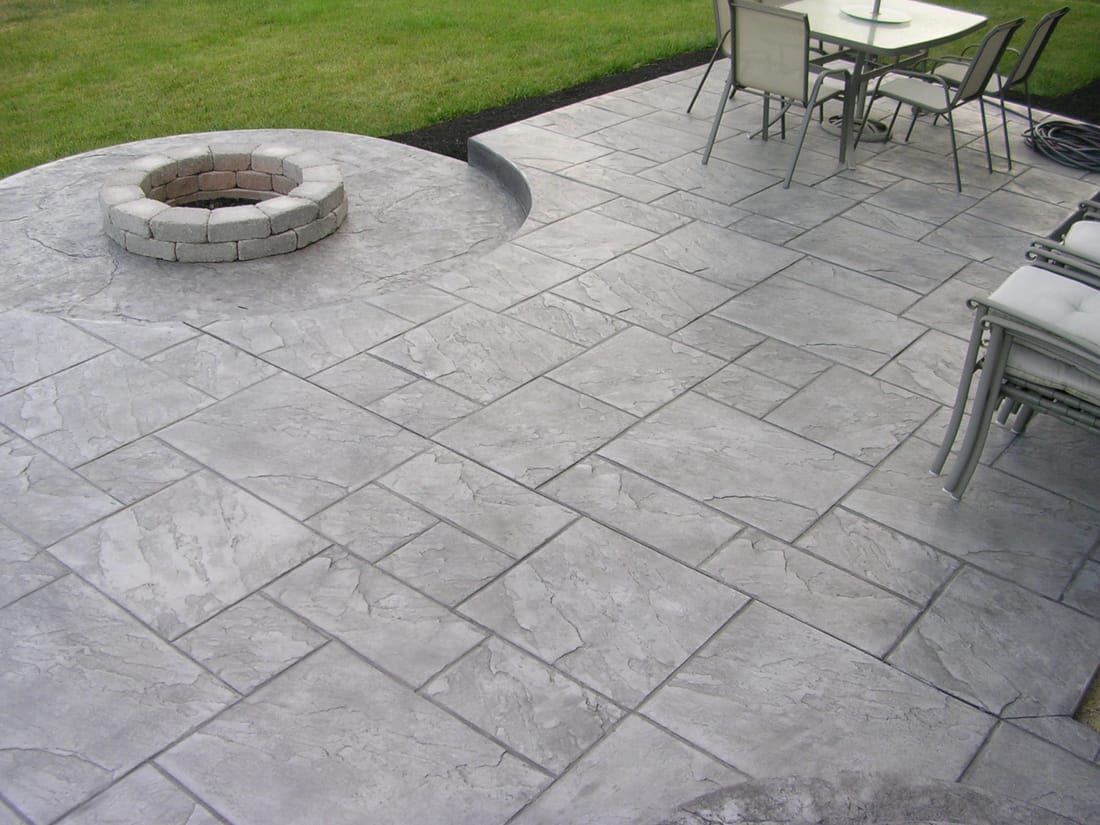
Commercial stamped concrete built for Atlanta businesses
Superior Concrete Atlanta installs commercial stamped and decorative concrete for properties across metro Atlanta, from Midtown retail to warehouse parks near I-285. Our focus is simple: hard-wearing slabs that handle foot traffic, carts, and occasional vehicle loads, with finishes that actually fit your brand and budget.
Commercial stamped concrete is regular structural concrete that is colored, textured, and patterned while it is still plastic. The performance comes from the base prep, rebar or wire reinforcement, and mix design, not just the pattern on top. We design each project around use: a restaurant patio on the BeltLine gets different thickness and sealer than a loading-side walkway in an industrial park.
Because Atlanta sees hot summers, winter freeze events, and frequent rain, we use mix designs and joint layouts that limit cracking and keep surfaces safer when wet. Our crews know that a decorative finish is pointless if it scales, spalls, or gets slick when a thunderstorm hits, so every step is planned with local conditions in mind.
How we install commercial stamped and decorative concrete
A typical commercial stamped concrete project with Superior Concrete Atlanta follows a clear sequence so you know exactly what is happening on site.
First, we meet on site to measure, check grades, locate utilities, and confirm drainage paths toward existing storm structures or landscape, since many Atlanta jurisdictions are strict about runoff. We discuss how the area will be used, expected loads, and any timing limits for keeping entrances open.
Next comes base preparation. We remove unsuitable soils, roots, and organic material, then build up a compacted crushed stone base, usually 4 to 6 inches for walkways and patios and more for drive lanes or dumpster pads. Proper compaction with plate tampers or rollers is what keeps stamped surfaces from settling and cracking along traffic paths.
We then set forms, install reinforcement (rebar grid or welded wire mesh, sometimes with dowels into existing slabs), and plan control joint locations to direct where shrinkage cracks form. At this stage we also coordinate with electrical or plumbing trades if they need conduits or sleeves through the slab.
On pour day, we place a commercial-grade concrete mix, typically 3500 to 4500 psi with air entrainment for exterior work. The crew strikes off and bull floats the surface to a uniform plane. When the bleed water has left and the slab reaches the right plastic stage, we broadcast color hardener (if used) and apply release agent, then set the stamping mats in sequence. Workers tamp the mats evenly so the pattern is consistent, paying close attention at edges, drains, and steps.
After stamping, we detail joints, clean residual release after curing, and then apply a commercial-grade sealer appropriate to the use and slip-resistance requirements. Finally, we perform a walkthrough with you to review expansion joint locations, drainage performance, and maintenance expectations.
Design options that work in commercial settings
Stamped and decorative concrete for businesses has to look professional but also be practical for day-to-day operations. Superior Concrete Atlanta focuses on finishes that hold up under shoes, carts, and cleaning routines.
Common patterns we install for commercial stamped concrete include large ashlar slate, boardwalk wood plank, cobblestone bands along walkways, and seamless stone textures. For high-traffic plazas or hotel drop-offs, we usually suggest larger pattern units, which avoid busy joints that can trap dirt and make sweeping harder.
Color is achieved either with integral pigment mixed into the concrete truck, or with dry-shake color hardener worked into the surface. For Atlanta properties, we tend to recommend earth tones, medium grays, and charcoal accents that hide red clay dust and typical city grime. Where branding matters, we can coordinate colors with your logo or storefront palette.
Beyond stamping, decorative options include saw-cut scoring in geometric layouts, exposed aggregate for slip resistance, colored borders that frame sidewalks or entries, and insets to highlight crosswalks or outdoor dining zones. Around commercial pools or fountains, we match texture and sealer to local code expectations for wet surfaces so that aesthetics never compromise safety.
If you manage multiple properties, we can standardize patterns and colors across locations so your complexes in Buckhead, Decatur, and Smyrna all share a recognizable, repeatable look that is simple to maintain.
What affects the cost of commercial stamped concrete in Atlanta
Pricing commercial stamped and decorative concrete is not just about the square footage. Superior Concrete Atlanta prepares itemized proposals that show you what drives cost so you can adjust scope intelligently.
Key factors include slab thickness and reinforcement, since areas with vehicle traffic, service drives, and fire lanes require more concrete and steel than a simple pedestrian courtyard. Complex base preparation, like replacing poor fill soils or correcting drainage in older Atlanta properties, also adds time and materials.
Pattern choice impacts labor. Simple seamless textures or large ashlar patterns place faster and cost less per square foot than intricate cobblestone or custom borders with multiple stamp sets. Multi-color schemes, hand-stained accents, and integral borders add labor on pour day and during finishing.
Access is another cost driver in city projects. If we must pump concrete to a rear courtyard, schedule around tight loading zones, or phase pours to keep public access open, our crew time increases. Night or off-hours work to avoid business disruption may carry a premium but can save you money compared to shutting down operations.
Finally, sealer type and maintenance expectations matter. High-performance sealers with higher chemical resistance for restaurants or auto-related businesses cost more up front but can avoid frequent reapplications. We explain these tradeoffs so property managers can balance upfront investment with long-term operating costs.
Local permitting, codes, and typical Atlanta site challenges
In the Atlanta area, exterior concrete work often falls under local building or site development rules, especially for commercial properties. Superior Concrete Atlanta coordinates with owners, GCs, and design teams so stamped and decorative concrete meets those requirements.
Inside the City of Atlanta and many nearby municipalities like Sandy Springs or Brookhaven, new exterior hardscape can trigger review for grading, drainage, or tree protection. For larger projects or remodels, your architect or civil engineer usually submits the plans, but we help interpret details such as required slab thickness, reinforcement notes, and ADA transitions at sidewalks and ramps.
ADA compliance is critical. Stamped finishes must not create ridges or joints that exceed allowable height differences, and slopes must be controlled for wheelchair access. We pay close attention to patterns at the base of ramps, crosswalks, and building entries so texture does not interfere with accessibility.
Atlanta red clay, existing roots, and buried utilities are common complications. Before we excavate, we review utility locates and evaluate tree root zones. In some commercial districts, tree ordinances limit how much root disturbance is allowed around street trees. Where necessary, we adjust layouts or use root barriers to protect both the slab and the trees.
Stormwater rules are increasingly strict. Adding large areas of concrete can affect runoff, so we work with your design team to ensure new stamped surfaces pitch correctly to inlets, drains, or permeable landscape areas. Poorly planned drainage is one of the main causes of surface scaling and sealer failure, so we consider it part of the decorative work, not an afterthought.
Common issues, maintenance, and how we protect your investment
Well-installed commercial stamped concrete will last for decades, but only if common problems are controlled from the start and you know what to expect after installation. Superior Concrete Atlanta addresses these concerns openly so you are not surprised a year down the road.
All concrete cracks. The goal is to control where and how. We use proper joint spacing, reinforcement, and base compaction so shrinkage cracks either stay inside joints or are hairline and not visually obvious against the pattern. On decorative work, we align joints with pattern lines or borders so they look intentional.
Surface wear and sealer issues are another concern. In Atlanta, UV exposure, restaurant grease, and de-icing salts at parking lots can break down sealers. We select products based on use: penetrating sealers for higher traction, film-forming sealers where color depth is the priority, and non-slip additives where needed. During turnover, we give you written guidelines for cleaning, avoiding harsh chemicals, and scheduling reseals, usually every 2 to 4 years depending on traffic.
Slip resistance is handled through texture choice, fine-tuning of finishing techniques, and proper sealer selection. We avoid over-troweling or overly glossy finishes in high-traffic or wet areas, and we can test small sample areas so facility managers are comfortable with the feel underfoot before we commit to the full pour.
For ongoing care, we can set up maintenance plans for properties that want predictable budgeting. These visits often include pressure washing with appropriate detergents, checking joints and sealers, and spot repairs if early wear shows up in loading zones or at entrance mats.
If repairs are needed from other trades cutting into the slab or from unexpected damage, we can match patterns and colors as closely as possible. While a perfect invisible patch is not always realistic, we use feathered transitions, saw-cut borders, and stain blending to keep repairs from standing out to customers or tenants.