Home › Commercial Concrete Slabs and Flatwork
We pour commercial concrete slabs and flatwork in Atlanta, GA for warehouses, loading areas, and retail spaces. Using proper reinforcement, control joints, and finishing methods, we deliver flat, durable surfaces that handle heavy traffic and equipment. Our team can coordinate pours around other trades to keep your project on track.
Superior Concrete Atlanta provides professional commercial concrete slab throughout Atlanta, GA, Georgia and the surrounding area. Our licensed, insured crew delivers safe, clean, on-time work with a free estimate before anything begins. Call (470) 748-3052 or request your free quote.
Commercial Concrete Slabs in Atlanta Built for Real-World Use
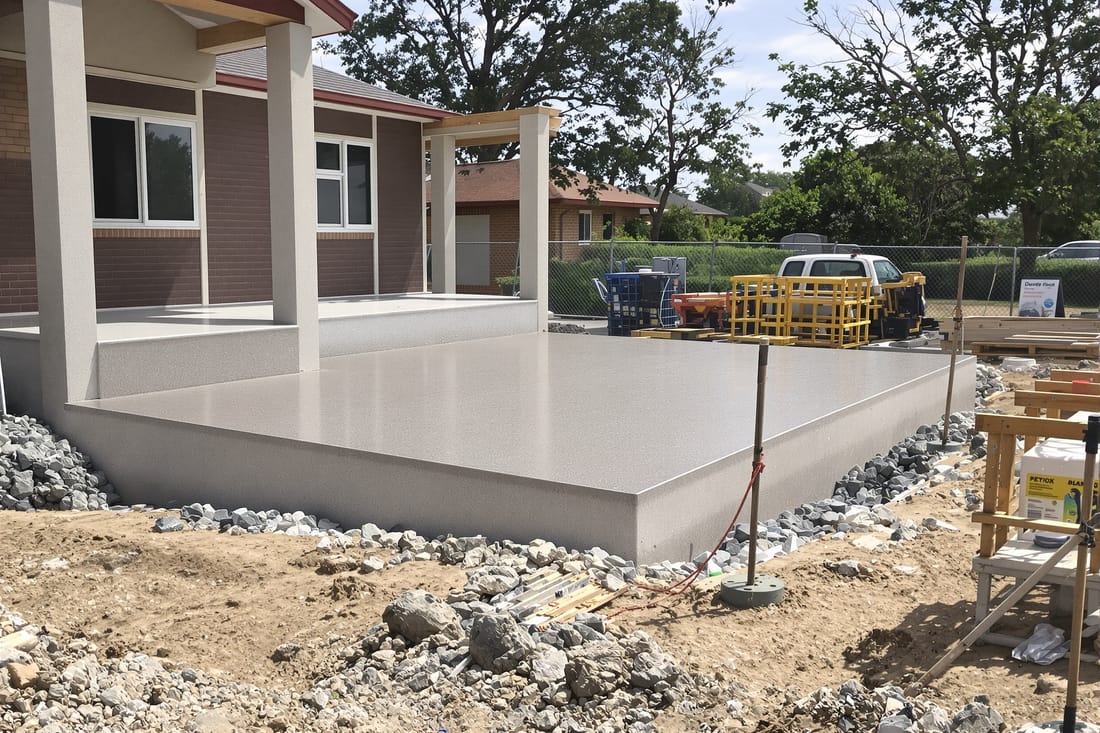
When you invest in a commercial concrete slab in Atlanta, you are really investing in the performance of your entire building or site. At Superior Concrete Atlanta, we focus on how your slab or flatwork will actually be used every day: forklifts turning in a warehouse, pallet racks loading up, delivery trucks backing to docks, or customer foot traffic moving across sidewalks and entries.
Instead of one standard design, we start by asking specific questions. What types of loads will the slab carry? Do you need racking or machinery anchors? Will there be moisture-sensitive finishes like hardwood or epoxy on top? Do you anticipate future expansion cuts, floor drains, or plumbing changes? These details shape the slab thickness, reinforcement, joint layout, and mix design so you get a surface that works for your operation, not just a piece of concrete that looks smooth for a few months.
Our projects in the Atlanta area range from small retail additions to high-traffic warehouse floors and exterior loading areas. We understand the local clay soils, frequent rain bursts, and temperature swings that can stress a slab. Superior Concrete Atlanta designs and installs commercial concrete flatwork with those conditions in mind, so your concrete holds up after the first busy season, and many years after that.
How We Design Commercial Slabs and Flatwork for Atlanta Conditions
Good commercial concrete flatwork starts with design, not with the first truck of concrete. For every project, we consider three big factors: soil support, load demands, and environment.
First, we look at the soil. Much of Metro Atlanta has red clay that holds water and expands or contracts with moisture changes. If the subgrade is inconsistent, the slab will move and crack. We often recommend proof-rolling (driving heavy equipment over the compacted base to identify soft spots), adding crushed stone, and compacting in lifts to reach a consistent, stable base. On problem sites we may propose a thicker base, geo-textile fabric below the stone, or localized undercut and replacement of weak material.
Second, we match the slab design to what will sit on it. For light retail spaces or offices, 4 to 5 inch slabs with fiber reinforcement may be sufficient. For warehouses, auto shops, and industrial spaces, we typically move to 6 inches or more, with rebar or welded wire mesh and, for very heavy loads or point loads from racks, possibly doweled joints or thickened sections under columns and equipment pads.
Third, we factor in the environment. Exterior flatwork like parking areas, dumpster pads, and loading docks in Atlanta see standing water in heavy storms and temperature swings that can stress joints. We design slope and drainage so water leaves the slab quickly, and we specify air-entrained concrete and appropriate joint spacing so freeze-thaw cycles are less likely to cause surface damage or random cracking.
Our Step-by-Step Commercial Slab Installation Process
A professional commercial concrete slab is the result of a consistent, disciplined process. At Superior Concrete Atlanta, we follow clearly defined steps so you know what is happening on your site each day.
1. Site evaluation and layout: We verify property lines, check elevations with a laser, and confirm slab limits and thicknesses against your plans. If grades need to be adjusted to avoid future drainage issues, we identify that before we start forming.
2. Subgrade preparation: We strip organic material, level and compact the soil, then install a crushed stone base as required. In many Atlanta projects, a 4 to 6 inch layer of compacted aggregate is used to improve drainage and support. We proof-roll the base and correct any soft or pumping areas.
3. Vapor barrier and reinforcement: For interior commercial slabs, especially those receiving flooring, we typically install a heavy-duty vapor barrier over the base to reduce moisture migration. Then we place reinforcement (rebar grids or welded wire mesh) or use structural fibers in the mix, depending on design and load requirements.
4. Formwork and embedded items: We set and brace forms to the correct elevations, then install anchor bolts, sleeves for future utilities, floor drain boxes, and any embedded plates or conduits. Getting these locations right at this stage prevents expensive cutting later.
5. Concrete placement and finishing: We order the correct mix design and schedule the pour when weather and crew availability align. During the pour, we place concrete efficiently to avoid cold joints, strike it off to grade, and use mechanical screeds and power trowels where appropriate. For flatwork that must meet strict levelness tolerances, such as warehouses using high-bay racking, we use more detailed finishing and testing techniques.
6. Joints, curing, and protection: We cut control joints in the slab at the right spacing and timing to guide natural cracking. We apply curing compound or use wet curing methods, depending on the application, and set up barricades or protection so foot traffic and equipment do not damage the slab while it gains strength.
Surface Options and Flatwork Finishes for Commercial Spaces
Not every commercial concrete slab looks the same, and the finish matters for safety, maintenance, and appearance. Superior Concrete Atlanta offers several options tailored to how your space will function.
For interior warehouse and industrial floors, a hard-troweled finish provides a dense, smooth surface that is easier to sweep and can handle forklift traffic. Where slip resistance is a concern, such as ramps or areas that may get oil or water, we can adjust the finish texture or incorporate a light broom finish to improve traction.
On exterior commercial flatwork, most clients in Atlanta choose a broom finish sidewalk or parking area for skid resistance during rain. For storefront entries, patios, or public plazas, we can offer more architectural touches, such as colored concrete, exposed aggregate finishes, or saw-cut decorative patterns that break up larger areas and add character without sacrificing durability.
We also consider long-term flooring plans. If you plan to install polished concrete, epoxy coatings, or tile, we can tighten the flatness and levelness tolerances during finishing and help you plan joint layouts that align with future tile or coating patterns. This coordination in the flatwork stage reduces trip points and visual joint lines later on.
Pricing, Timelines, and What Affects the Cost of a Commercial Slab
Business owners and contractors in Atlanta often ask why commercial concrete slab pricing can vary so widely. The cost is driven by a combination of materials, site conditions, and performance requirements, not just square footage.
Key cost factors include slab thickness, reinforcement type, and concrete strength. A 4 inch lightly reinforced slab for a small retail build-out is very different from a 7 inch, heavily reinforced warehouse floor designed for high pallet racking and constant forklift traffic. The stronger and thicker the slab, and the more steel or fibers required, the higher the material and labor cost.
Site conditions can add or reduce cost. A clean, level, easily accessible site is faster and more economical to build on. A site with poor access for trucks, soft or saturated soils, or extensive demolition and haul-off needs will increase time and equipment days. In parts of Metro Atlanta with steep grades, more excavation and base material may be required to create a stable, level pad.
Schedule and phasing also matter. If your project requires nighttime pours to avoid disrupting business, tight turnaround between phases, or coordination around other trades, we plan crews and equipment accordingly. This can affect cost but often saves money overall by keeping your project or operations on schedule.
During our initial consultation, Superior Concrete Atlanta walks you through these variables using your specific plans. Instead of one lump sum with no explanation, we show how design choices, site prep options, and finish selections influence pricing so you can make informed decisions that match your budget and performance goals.
Why Local Expertise Matters for Commercial Flatwork in Atlanta
Commercial concrete work in Atlanta is impacted by local codes, soil types, and weather patterns, so having a contractor who works here every day makes a real difference. Superior Concrete Atlanta is familiar with county and city inspection requirements around Metro Atlanta, including typical expectations for base compaction, reinforcement, and jointing in commercial slabs.
The local climate plays a direct role in scheduling and concrete performance. Short, intense storms are common, so we plan pours and finishing with radar and backup covers ready. Pouring at the wrong time can trap surface water or cause scaling, so we adjust our timing and curing approach to the season. In hotter months, we may use retarding admixtures, set up sun shades, or modify the crew size and pour size to control set time and finishing quality.
We also see recurring issues in this region, like slabs poured directly on unprepared clay, inadequate drainage around loading areas, or joints cut too late, leading to uncontrolled cracking. Our team builds in preventative measures based on those real-world lessons. Before we leave your project, we review simple maintenance steps such as joint sealing options, cleaning practices, and what to do if you see hairline cracks, so you know how to protect your investment.
If you are planning a new commercial concrete slab or upgrading existing flatwork in Atlanta, Superior Concrete Atlanta is ready to review your plans, visit your site, and put together a design and installation plan that fits both your operational needs and local conditions.